The IPL multiplier: how a $18.5 billion league reshapes India's fantasy economy
A Kotak Mutual Fund research note puts the IPL at roughly $18.5 billion in business value, with media-rights compounding at 18% a year. The Vision11 editorial desk reads what those numbers mean for fantasy cricket.
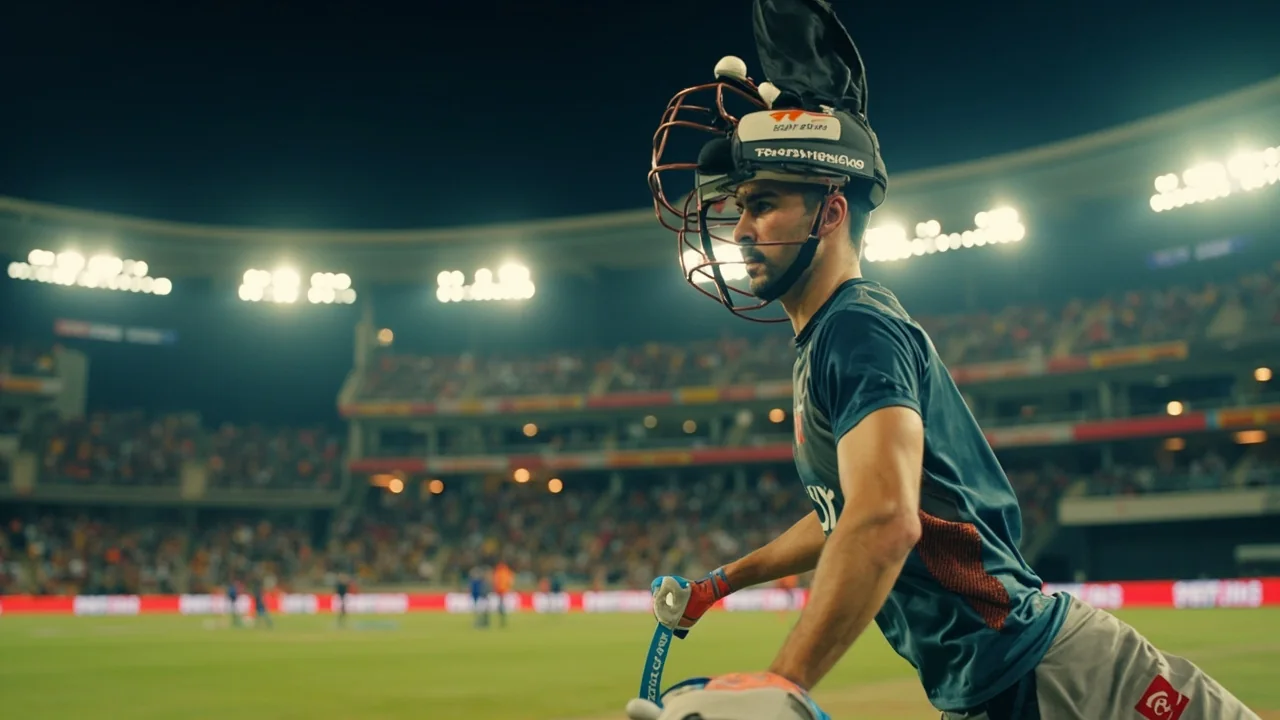
The first time the league sold its broadcast rights, in 2008, the winning bid was $918 million. Eighteen years of compounded growth later, the same bundle of matches is contracted at $6.2 billion for the 2023–2027 cycle, and a Kotak Mutual Fund research note published on April 3, 2026 estimates the league's total business value at roughly $18.5 billion. The note, summarised by FinTech BizNews, frames the growth as a multiplier effect — every televised six and every smartphone wicket drives revenue into adjacent sectors the league does not directly run. For fantasy cricket readers, the practical question is what that multiplier does to the contest layer that sits on top of the broadcast.
The Vision11 desk treats the league as the upstream of its own work. The squads the desk reads, the venues whose pitch reports the desk cross-checks, and the in-app contests that translate a captain pick into a payoff are all downstream of the same event calendar. When the broadcast deal triples, the calendar that fantasy players build their teams around hardens into a predictable, annuity-like flow. When the calendar hardens, the fantasy products layered on top of it grow with it. The Kotak research is worth reading carefully because it puts the multiplier in numbers.
How the broadcast rights got here
The cleanest way to read the league's value is to follow the rights cycle. The first broadcast deal, awarded to a Sony–Set Max consortium in 2008, was valued at $918 million over ten seasons. The 2018 renewal bumped the per-year figure to $510 million; the 2023–2027 cycle, won by a Viacom18–Disney Star combine, priced the rights at $6.2 billion for a five-year window, with the digital package alone accounting for roughly $2.6 billion of that figure. The Kotak research notes an 18% compound annual growth rate across the three cycles — outpacing the English Premier League's roughly 15% CAGR and the NFL's 10% — and the headline reads as a structural argument about where Indian sports media is heading.
The fantasy cricket industry has not been coincidental to that growth. The Kotak note frames the league as a major driver of growth in fantasy sports, digital advertising and content ecosystems, with 500 million viewers in 2024 anchoring India's digital-economy expansion. The desk reads that line as a description of the same audience it serves every matchweek: the viewers who finish the powerplay, open the squad list, and start building a team. The contest flow is the second screen of the broadcast, and the second screen is now large enough to register in a fund manager's research note.
What $18.5 billion in league value actually means
The $18.5 billion figure in the Kotak research is a business valuation, not a market cap. It is built from the media-rights cycle, the central sponsorship pool, the franchise-level sponsorship market, ticket revenue, merchandise, and the residual value of the teams themselves. The note also references a separate $18 billion IPL valuation from FY25 reporting, which broadly tracks. The point is not the exact dollar — both are estimates — but the order of magnitude. A twenty-over-a-side tournament that did not exist before 2008 is now being valued, by mainstream Indian financial research, at a level associated with major infrastructure assets.
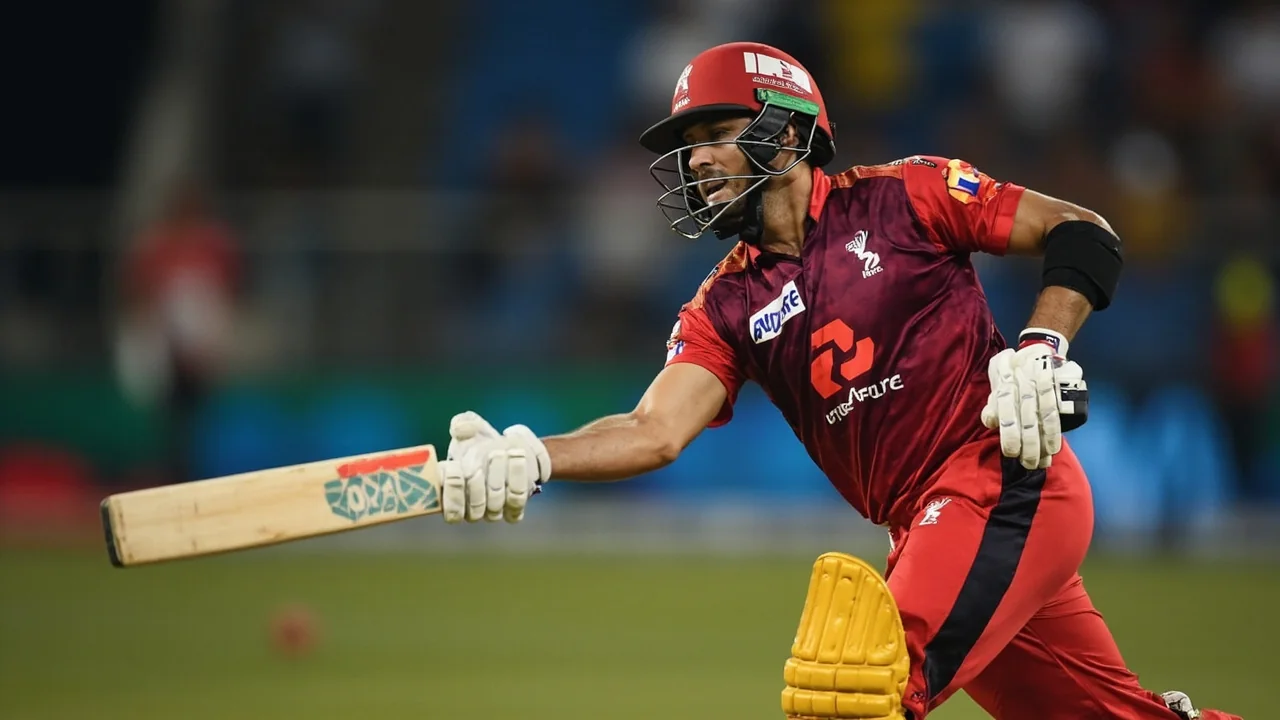
The franchise-level economics feed the same point. Over 70% of franchise revenues come from centrally shared media-rights and sponsorship pools, which gives the teams a predictable, infrastructure-like revenue base rather than the volatile, gate-driven revenue of most sports properties. Title-sponsorship value climbed from ₹40 crore in the DLF era to ₹500 crore under Tata from the 2024 season, and franchise-level sponsorships now contribute roughly ₹1,300 crore across the league. From a fantasy desk perspective, the implication is that the league is not going anywhere — the schedule is fixed, the squads are paid for, and the fan attention is monetised at multiple layers. That permanence is what makes a long-form fantasy cricket reading desk worth publishing.
The reach that drives the fantasy audience
The reach numbers in the Kotak research are the line that fantasy operators pay attention to. The league reaches roughly one billion combined TV and digital viewers, with 600–650 million unique viewers in recent seasons and 1.37 billion digital views recorded during the opening weekend of one recent season. Those are not the same as paying fantasy users, but they are the upper bound the fantasy industry has been working down from. A viewer who finishes a high-scoring over and reaches for a smartphone is exactly the viewer the in-app contest flow is designed for.
This is where the desk's editorial discipline matters. The fantasy contest layer is one of the easiest places to over-claim. The desk does not publish paid testimonials, does not publish guaranteed outcomes, and does not invent owner, operator or payment data. The squad-by-squad captain pick is the only product the desk sells — and the squad pick is built on the same match calendar the league itself is built on. So when the Kotak research describes the league as a major driver of fantasy sports growth, the desk reads that as confirmation that the franchise model is funding the calendar it reads, not as a justification for bolder contest claims.
Hospitality, jobs and the merchant layer downstream
The broader economic chart in the Kotak note is the part that interests the desk because it explains why the calendar is so stable. The 2019 season alone drove nearly four lakh tourist arrivals and $68 million in hospitality revenue, while the 2024 season is estimated to have generated around $450 million in total tourism and hospitality activity. Host-city hotel occupancy regularly crosses 90% during the season, which makes the season a planned, multi-week revenue event for hotels, restaurants and ground transport in eight to ten cities. The tourism and hospitality demand is a separate revenue stream from the broadcast rights, and it is the layer that allows the central rights pool to keep compounding without crowding out the match-day experience.
Employment sits underneath the hospitality layer. India's Economic Survey estimates the league ecosystem generates over 20,000 seasonal jobs annually, and an IIM Bangalore study attributes over four million jobs across the broader sports economy in 2019 to IPL-related demand. Around 40% of India's roughly $1 billion sports-merchandise market in 2023 is attributed to league-related demand, with e-commerce sales rising about 25% during the season and food-delivery platforms reporting 40–50% spikes on match days. The desk treats these as context for why the fantasy industry has room to grow without crowding out the rest of the cricket economy — the room is being made by the multiplier, not by zero-sum substitution.
Digital advertising and the second-screen economy
The Kotak research positions the league as the central fixture of India's digital advertising calendar. The 2023–2027 digital rights package was priced at roughly $2.6 billion, reflecting the advertiser demand for the smartphone audience that the broadcast feeds. Fantasy cricket is one of several product categories that monetise that audience — alongside quick-commerce, food delivery, edtech and short-video — but it is the one that requires the same match-by-match attention the broadcast already demands. The fan who watches the powerplay and then opens the squad list is the same fan the advertiser is reaching. The fantasy layer is the conversion path that turns attention into a measurable action.
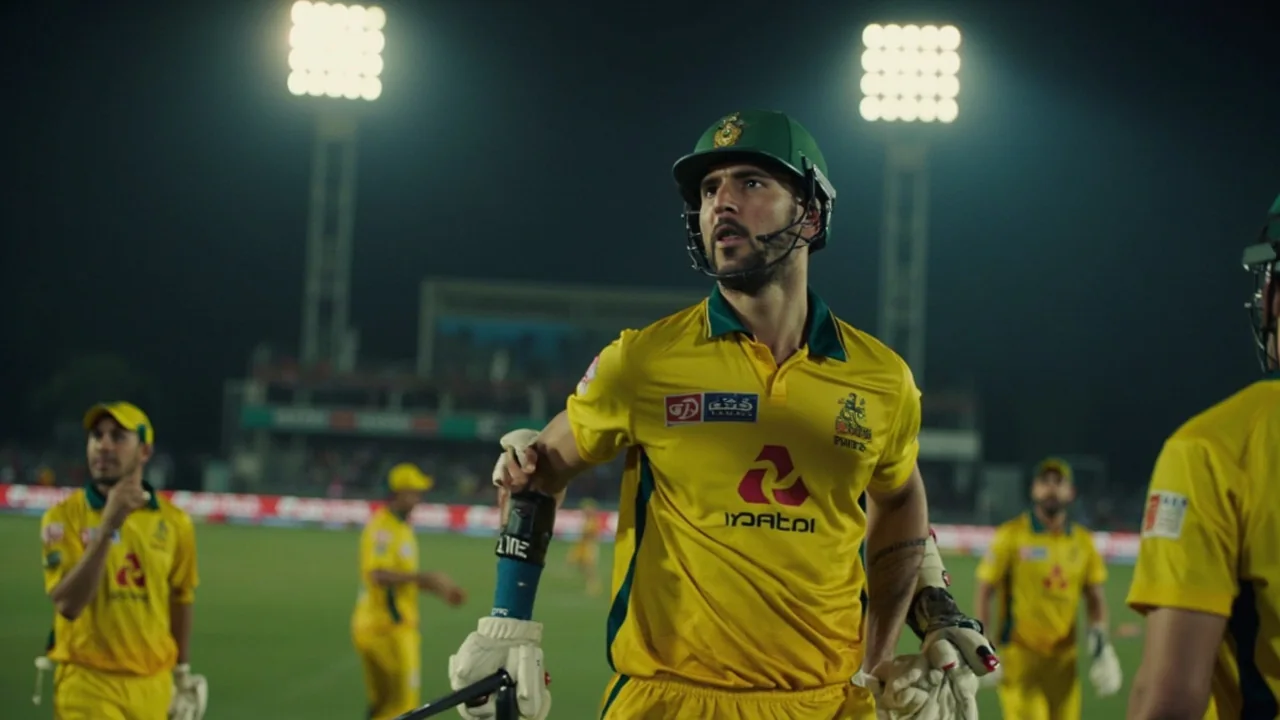
The Vision11 desk reads the second-screen economy as a closed loop. The broadcast drives the audience, the audience drives the digital rights fee, the rights fee funds the league, the league funds the squads, the squads drive the match calendar, the match calendar drives the fantasy contest, the fantasy contest drives the second-screen engagement, the second-screen engagement feeds the digital advertising market. The Kotak research captures that loop in three paragraphs. The desk's captain pick is the smallest loop in the loop — a single squad call, locked before the toss — but the discipline of the call is the discipline of the whole system: read the squad, read the surface, read the selection, sign off.
The franchise template that has been exported
The Kotak note ends by positioning the league as a franchise-based, media-first template that has inspired the Big Bash League, the Caribbean Premier League, the SA20 and Major League Cricket. The export is a useful signal for editors who cover the formats side-by-side. The T20 franchise template is now the default cricket format in most non-Test-playing markets, and the success of the export is part of why the league's media rights keep compounding: the more T20 leagues that exist, the more the original league's brand commands the premium slot in any rights bundle. The desk's format-by-format ledgers — T20, ODI, Test — treat the franchise T20 as the densest fantasy format because the volume of fixtures in a six-week window is the densest source of captain-pick decisions.
What this means for the fantasy cricket reading desk
The editorial application is narrow. The Kotak research confirms that the league is structurally funded, the calendar is fixed, the audience is large and the digital advertising layer is monetised. None of that changes how a captain pick is made on a Tuesday evening. It does change how the desk reasons about the long-run viability of the reading desk: there will be a six-week T20 window every spring for the foreseeable future, and there will be a contest flow layered on top of it. The desk's job is to keep the captain pick disciplined enough that the contest flow remains a game of skill, not a wager on a marketing cycle.
For the daily reader, the practical implication is that the league's earnings power does not translate into a more generous contest payout tomorrow. The desk does not claim it does. What the research does confirm is that the calendar the desk reads is funded through 2027 and beyond, that the franchise economics are stable enough to keep the squads paid, and that the second-screen fantasy layer has room to mature without crowding out the broadcast. The desk's standing rule remains: read the squad, read the surface, read the selection, sign off. The multiplier sits around it.
How this article fits the rest of the desk
The multiplier lens is a longer-cycle read that sits alongside the weekly captain-pick walk-throughs and the format-by-format ledgers. The Fantasy Cricket desk carries the weekly fixture primer and the captain pick that survives the four-step read. The IPL 2026 calendar desk carries the tournament window. The Cricket Analysis desk carries the format ledgers. The Articles like this one are the long-read layer that explains why the calendar keeps compounding and why the desk reads it the same way every matchweek.
Read the squads, then build the team.
Open the in-app ₹1 contest and put the desk's captain pick to work this matchweek.